Your benefits
Fresh, flavourful & nutritious
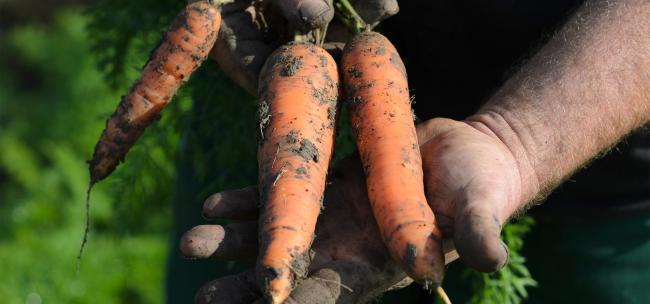
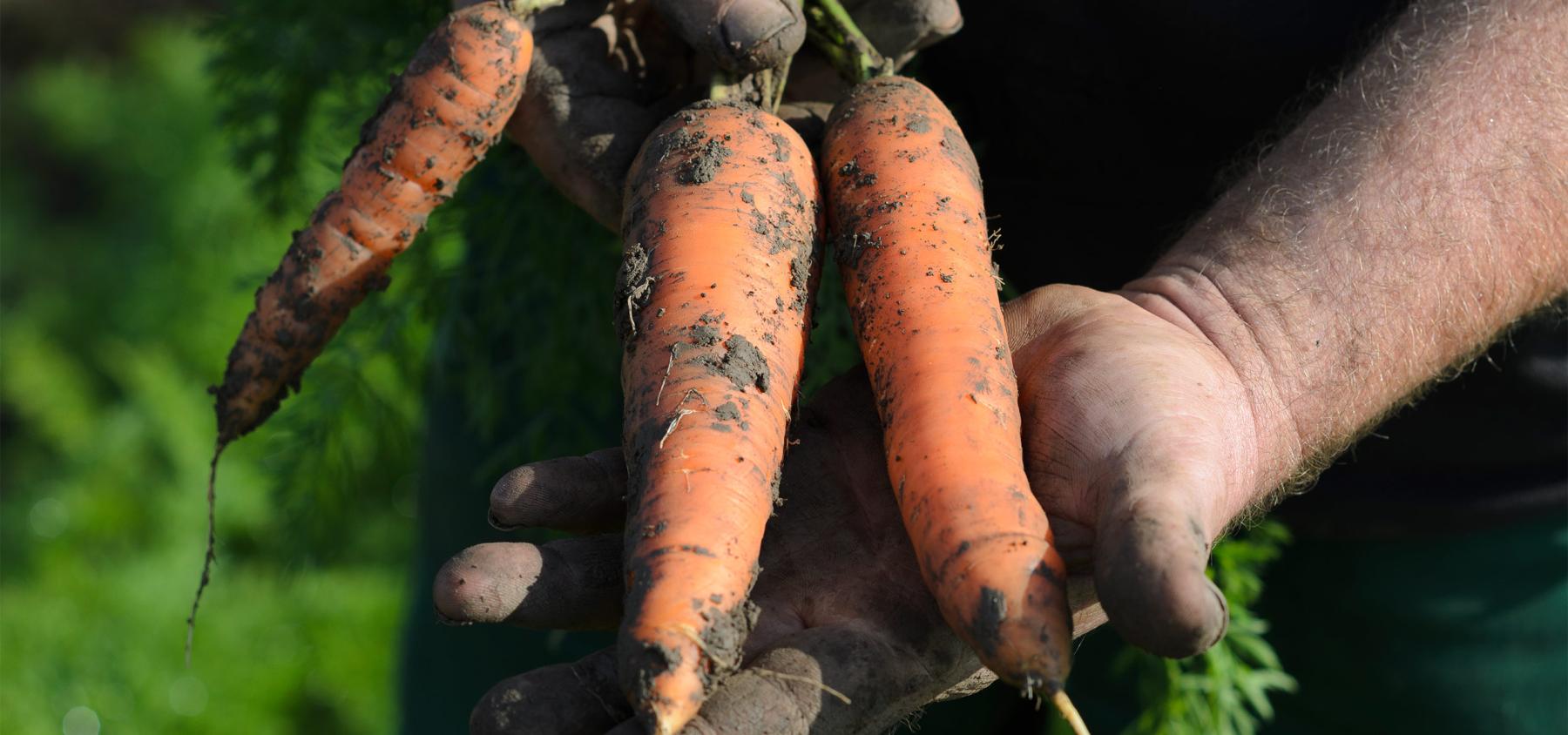
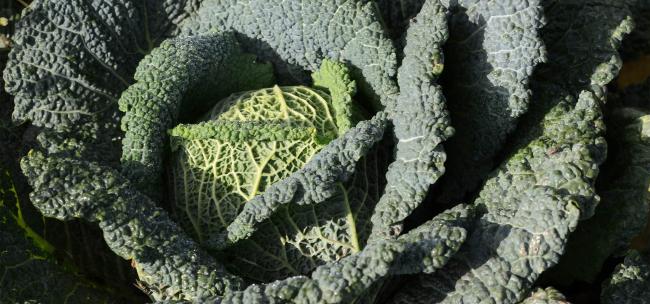
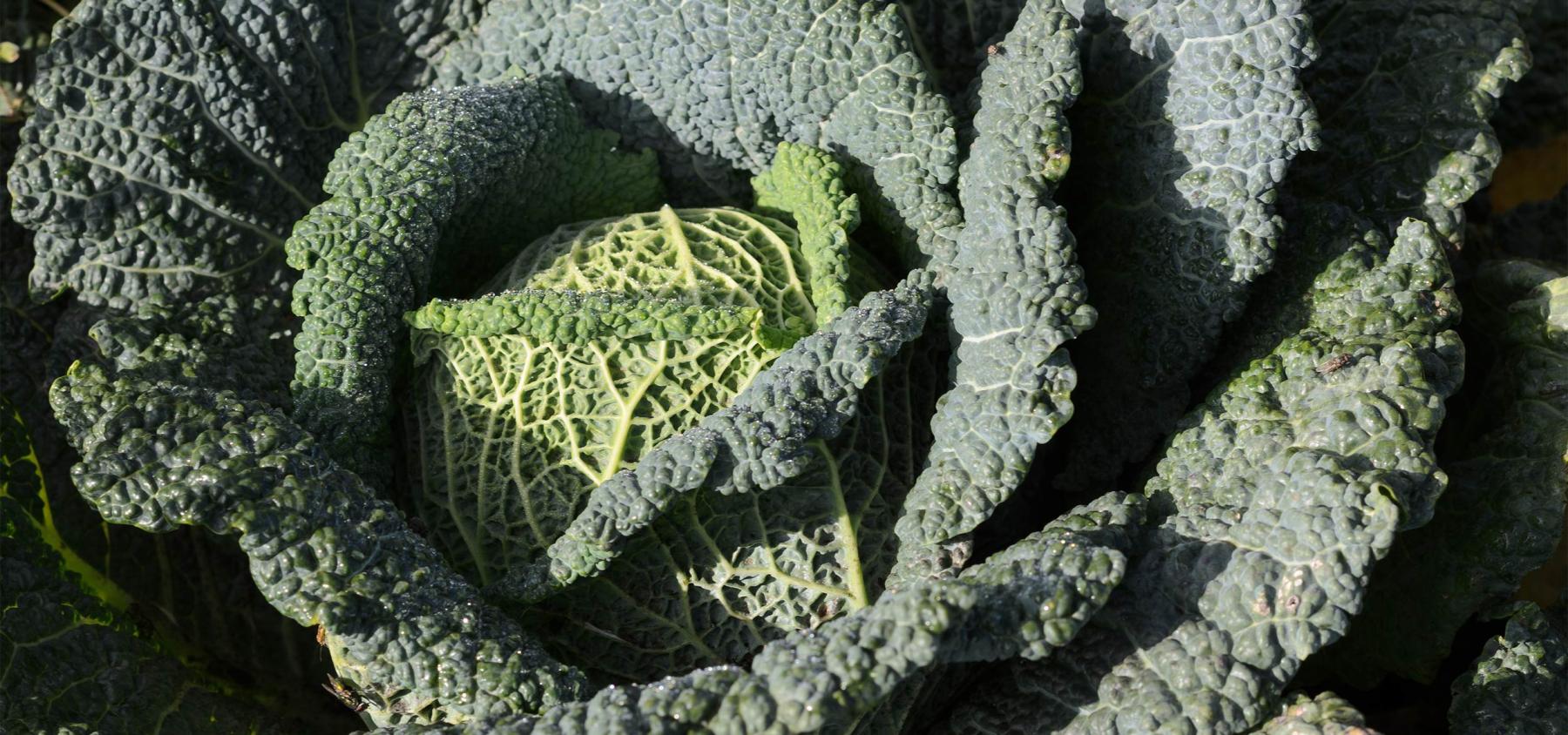
Authentic flavour: honest agricultural produce grown under ideal conditions develops an intense, natural flavour. The soil and climate in which it grew shape the character of the vegetables and give them depth of flavour.
Freshness and nutrient density: the vegetables are harvested at the optimum time to make sure they are fresh and rich in nutrients. Fresh ingredients are the basis of outstanding dishes, and the nutrients in high-quality vegetables play an essential role in health and wellbeing.
Diversity and rare varieties: rediscovering and growing rare vegetables is hugely important because it helps to preserve biodiversity and prevent the loss of valuable genetic resources.
Sustainability and environmental awareness: using high-quality vegetables from honest farming supports sustainability and environmental protection. Avoiding chemical pesticides and using natural fertilisers helps to preserve the soil and promote biodiversity.
Regionality and seasonal cooking: rare regional vegetables offer a wealth of opportunities for creative seasonal dishes and unique taste experiences. The vibrant colours, unusual shapes and rich aromas of these old varieties bring variety and innovation to the culinary world.
Rare vegetable varieties are invaluable for our environment, agriculture and gastronomy.
Efforts to preserve and rediscover this diversity are an important step towards a more sustainable and richer future. That is why Gerd Windhösel and Andreas Werner launched this project close to their hearts, Fine dining meets organic farming.
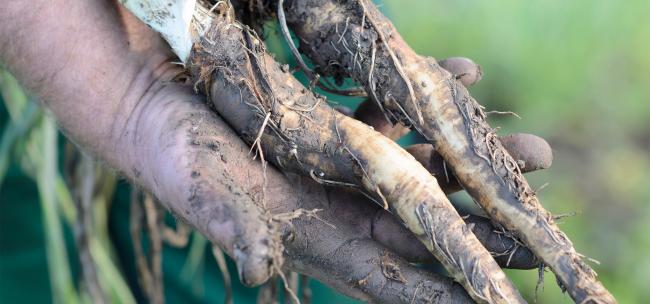
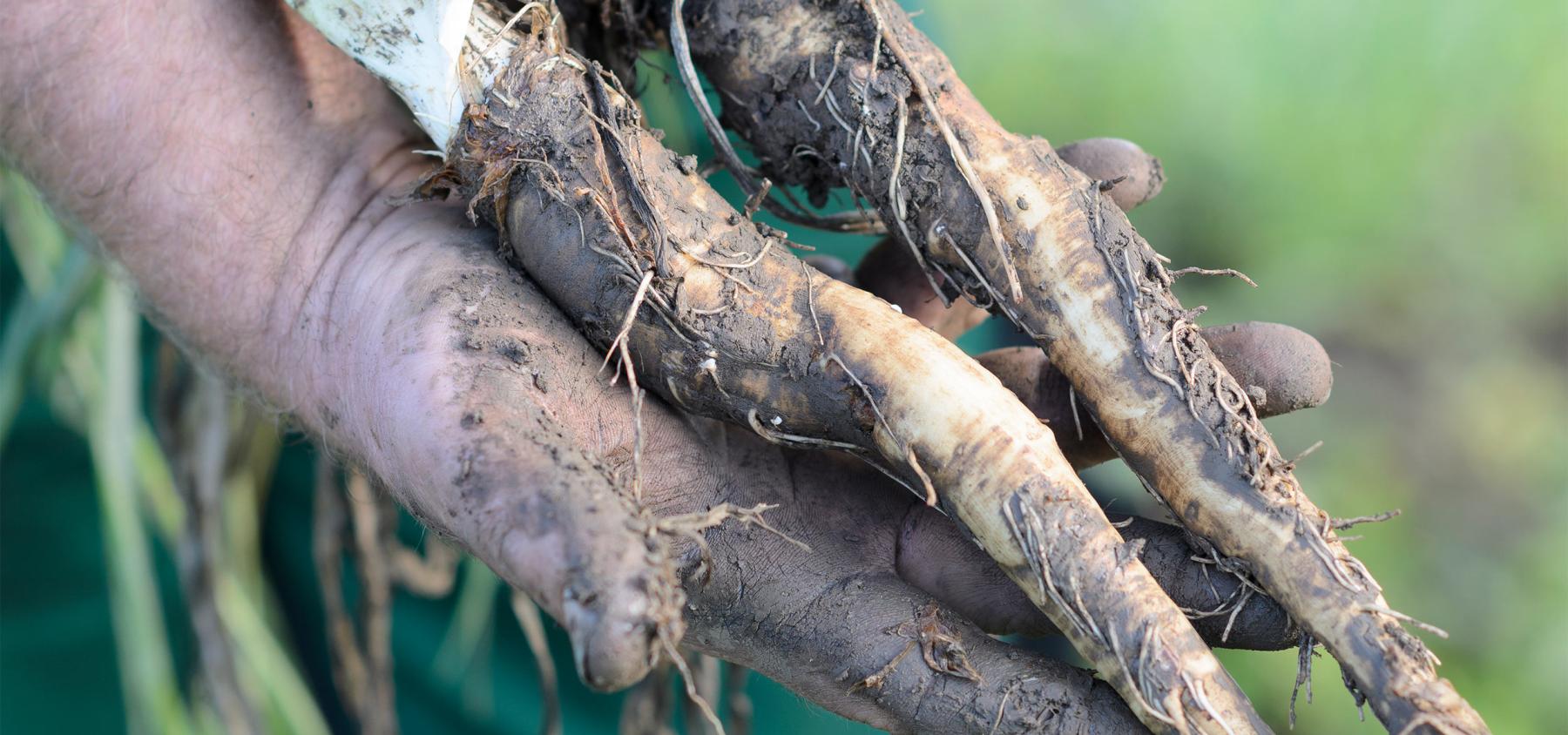
The results of this special collaboration between the chef, who has always championed regional produce, and the passionate organic farmer include sweet and slightly bitter purple carrots, intensely flavoured salsify and parsnips, nutritious golden and red beetroot, colourful Chioggia beetroot and, most recently, white carrots. The two already have their eye on the next forgotten vegetable: Chinese artichoke, a delicately aromatic root vegetable that was a sought-after delicacy a hundred years ago but is now rarely grown. Watch this space!